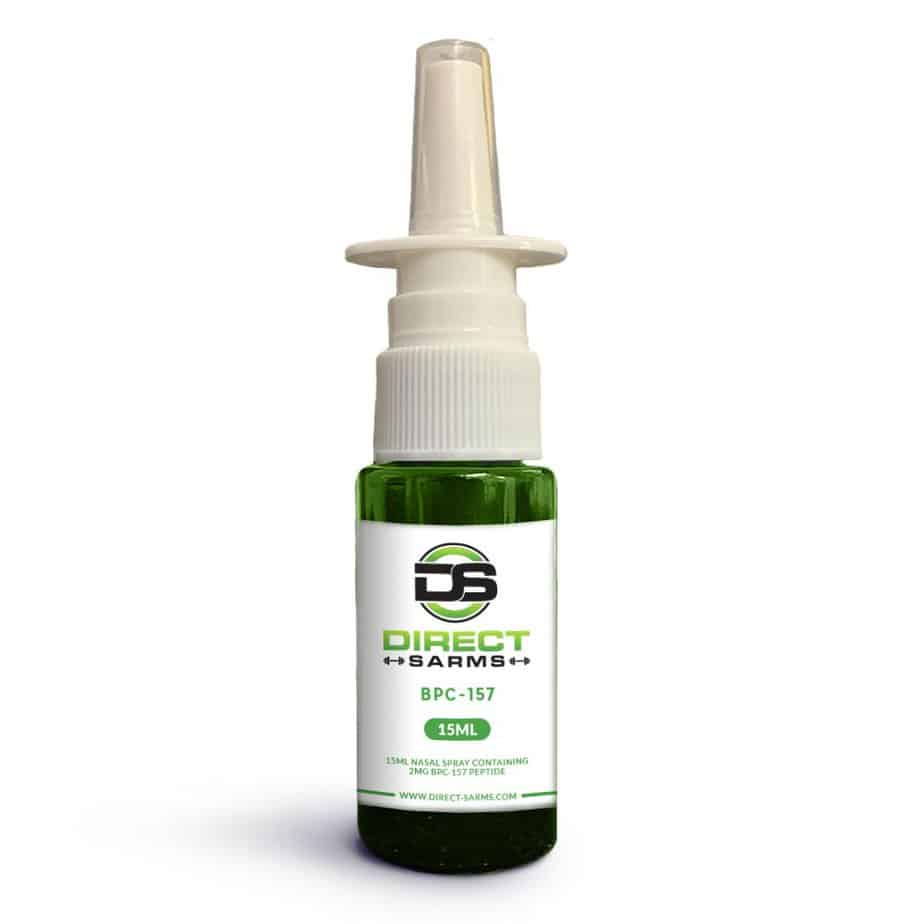
Is Bpc 157 A Potential Miracle For Accelerating Injury Healing And Restoring Peak Performance? BPC 157 is a human stomach juice-derived protein that demonstrates durable results on healing and recuperation in rodent pet versions. Via a number of mechanisms, BPC 157 has actually shown its capacity to boost outgrowth and fibroblast spreading, generating medical results in healing ligaments, tendons, and muscular tissues. Future research studies are still needed examining the security and efficiency of BPC 157 in people. For superior sagittal sinus pressure recording, we made a single burr hole in the rostral component of the sagittal stitch, above the exceptional sagittal sinus, and cannulated the premium sagittal sinus former part using a Braun intravenous cannula; after that, we laparatomized the rat for portal blood vessel, substandard vena cava, and abdominal aorta stress recording. High abdominal pressure at 25, 30, 40, or 50 mmHg was preserved until sacrifice at 60 minutes (25 mmHg), 30 minutes (30 mmHg, 40 mmHg), or 15 min (50 mmHg). Rats received BPC 157 (10 µg or 10 ng/kg subcutaneously) or saline (5 ml) at 10 min stomach area syndrome-time.
Conflict Around Fda's Bpc 157 Ban
- The dogs were raised in an open feeding ranch under conditions including natural light.On the other hand, as an outcome of treatment, the similarly high intra-abdominal pressures in BPC 157-treated rats resulted in only moderate blockage in the stomach system, liver, and kidney (Numbers 7, 8, 9, 10, 11), specifically with high intra-abdominal pressures at 40 and 50 mmHg (or else, no adjustments in the liver and renal parenchyma were observed).After single IV management, the t1/2 and AUC0-- t of BPC157 in pets were 5.27 minutes and 76.4 ± 30.2 ng min/ml.This could make it an ideal selection for people who are attempting to recuperate from an injury.This was seen with the site, caval, aortal, and remarkable sagittal sinus stress analysis, reduced significant ECG disturbances, virtually abrogated arterial and capillary thrombosis, and preserved discussion of the brain, heart, lungs, liver, kidneys, and stomach system, with no lethal results regardless of the long-term maintenance of high intra-abdominal stress.
Often Asked Questions About Bpc-157
The outcomes showed that the pharmacokinetic qualities of BPC15 followed the general homes of peptide medications. In the future, we will certainly perform medical trials for taking a look at BPC157 for the therapy of extreme injury and burns. The observations of today research study and previous safety assessment and pharmacodynamic study will provide basic information for further detailed clinical study. The other way around, when the sores are absent/abrogated, they clearly illustrate the restorative result of BPC 157 and a disturbed injurious course. Moreover, as BPC 157 therapy likewise operates in advancement, the properly reactivated azygos capillary path and enhanced functioning of the combined inferior caval capillary and left remarkable caval blood vessel may withstand also higher intra-abdominal hypertension (25 mmHg˂30 mmHg˂40 mmHg˂50 mmHg) and extended intra-abdominal stress boosts (25-- 120 min). There were no lethal results despite the irreversible upkeep of high intra-abdominal pressures (note that stomach compartment syndrome with a sustained level of 25 mmHg might be deadly within 1 h (Strang et al., 2020)). This advantageous result indicated that, with more extreme intra-abdominal hypertension, BPC 157 rats still exhibited typical tiny presentation of the heart. Note that, without therapy, while thrombosis was present in all checked out vessels, with an initial increase of 25 mm, the most popular clots showed up in the hepatic veins. With further stress increases (30, 40, and 50 mmHg), clot development usually increased, and popular embolisms additionally appeared in the portal vein and inferior caval capillary and in the abdominal aorta. Perceived as a cause-consequence relation, the crucial proof is that BPC 157 reduced blood pressure disruptions that were induced by increased intra-abdominal pressures, revealed to be fairly severe and kept in mind peripherally (portal and caval hypertension, aortal hypotension) as well centrally (remarkable sagittal sinus high blood pressure) (Figure 1). The seriously enhanced pressure worths in the portal blood vessel, inferior caval blood vessel, and exceptional sagittal sinus, along with the lowered stress worths in the stomach aorta, were substantially undermined with BPC 157 application. Also, beginning on day 7, the controls displayed edema and the loss of nerve cells in the former horn and intermediate smarts, disturbances that were mainly neutralized the in BPC 157-treated rats (Table 2 and Fig. 5). Before sacrifice, the pets from the 30-, 90-, 180-, and 360-day postspinal cord injury interval groups were put in a wooden box with their tails revealed. 3 sets of monopolar needles were stabbed 3 mm deep right into the tail 10, 60, and 100 mm caudal to the tail base. Utilizing a TECA 15 electromyography apparatus with a signal filter in between 50 Hz and 5 kHz, volunteer muscular tissue activity was videotaped from the most caudal pair of electrodes, and the typical electric motor unit prospective (MUP) was videotaped. Afterwards, the compound electric motor activity possibility (CMAP) was tape-recorded from the exact same pair of electrodes after boosting the first and 2nd electrodes (a rep of 1 Hz and a stimulation period of 0.05 ms). Alternatively, using esketamine anesthesia (40 mg/kg esketamine (Rotexmedica, Germany) and 10 mg/kg diazepam (Apaurin; Krka, Slovenia) intraperitoneally), we caused stomach compartment syndrome as described prior to and preserved high stomach pressure at 25 mmHg for 120 minutes before sacrifice. Medicine (BPC 157 (10 µg or 10 ng/kg sc) or saline (5 ml)) was offered after 10 min of high abdominal pressure. Thus, we assessed BPC 157 therapy as a curative concept in rats with established irreversible intra-abdominal hypertension. As confirmation, we used the dilemma that occurred with the high intra-abdominal pressure-induced disorder, in which intra-abdominal high blood pressure at the same time impacted all abdominal vessels Reliable BPC-157 supplier New Zealand and organs for a significant period and limited the capability to recruit alternate paths, such that a harmful circumstance was produced prior to therapy initiation. In other research studies, it was shown that BPC 157 combats enhanced degrees of proinflammatory and procachectic cytokines such as IL-6 and TNF-α [2] Lastly, BPC 157 improves sciatic nerve recovery [41] when applied intraperitoneally, intragastrically, or in your area at the website of anastomosis quickly after injury or directly into the tube after non-anastomosed nerve tubing (7-mm nerve section resection). Thus, despite enhanced intra-abdominal stress, BPC 157 therapy normalized portal and caval stress and aortal pressure, as well as portal vein and substandard caval vein and aorta presentation.Rewinding the Clock - Harvard Medical School
Rewinding the Clock.
Posted: Thu, 22 Mar 2018 07:00:00 GMT [source]
Why is BPC outlawed?
The FDA mentions & #x 201c; threat for immunogenicity, peptide-related pollutants, and restricted safety-related information & #x 201d; as reasons for the BPC-157 restriction. BPC-157 is still available as a dental pill.